
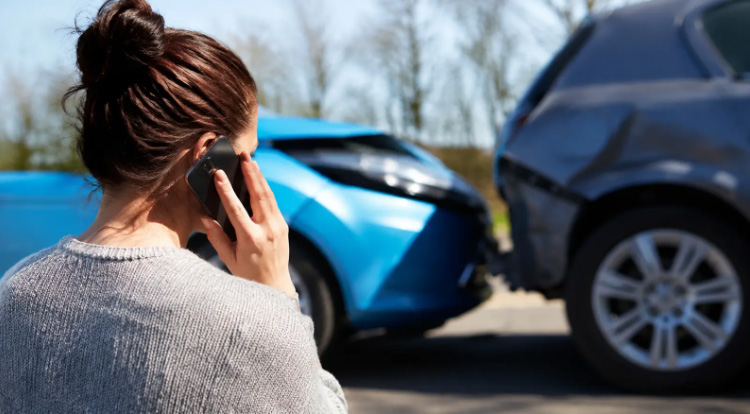
Getting hit by an uninsured driver is frustrating on a normal day. Add injuries, a wrecked car, missed work, and medical bills, and it can feel like you are stuck paying for someone else’s bad decision.
The good news is that South Carolina requires uninsured motorist coverage on most auto policies, which means you may still have a path to compensation even when the at-fault driver has no insurance. The tricky part is knowing which coverage applies, what steps you have to take, and how to protect your claim.
Why Uninsured Driver Crashes in SC are Different
In a normal crash, the at-fault driver’s liability insurer is usually the main source of recovery. When the at-fault driver is uninsured, you often shift to your own policy, especially UM coverage, which South Carolina drivers carry by default.
South Carolina law generally requires auto policies to include an uninsured motorist provision that pays what the insured is legally entitled to recover from the owner or operator of an uninsured motor vehicle, subject to required minimum limits. See the South Carolina uninsured motorist law in S.C. Code § 38-77-150.
What Counts as “Uninsured?” (Sometimes it is not obvious.)
A driver may be “uninsured” if:
- They truly have no policy in effect
- Their policy was cancelled for nonpayment
- They deny coverage and the carrier confirms there is no coverage for that crash
UM and UIM Coverage in South Carolina
Some “uninsured driver” situations are really “not enough insurance” situations, which may involve underinsured motorist coverage in South Carolina (UIM). South Carolina law requires carriers to offer optional UM above the minimums and to offer UIM up to your liability limits.
Your main safety net: UM coverage in South Carolina
A typical uninsured motorist claim South Carolina drivers make may include compensation for:
- Medical bills and future treatment
- Lost wages and reduced earning ability
- Pain and suffering
- Property damage (subject to how your policy is written and the UM property damage rules)
The statute sets the baseline: UM coverage must be at least the minimum liability requirements and include minimum property damage coverage terms. You still have to prove fault and damages. UM is not automatic.
Even though it is your policy, you generally still have to show:
- The other driver caused the crash (negligence)
- The crash caused your injuries and losses
- Your damages fit within the available coverage
South Carolina’s UM statute also includes specific notice and procedure requirements; for example, it requires service of pleadings on the UM insurer in actions establishing liability, and it gives the insurer the right to appear and defend in the name of the uninsured motorist.
Optional Coverage That Can Matter A Lot: UIM Coverage
People often confuse uninsured and underinsured coverage.
Here is the simple version:
- UM applies when the at-fault driver has no liability insurance (or it is not available).
- UIM applies when the at-fault driver has insurance, but the limits are too low for the harm they caused.
South Carolina law requires insurers to offer UIM and explains its purpose: to provide coverage when damages exceed the at-fault driver’s liability limits.
UIM details can get technical fast, including issues like “stacking” in certain situations. South Carolina appellate decisions regularly address how UIM works in real disputes.
What to do right after you realize the driver is uninsured:
If you were hit by an uninsured driver in SC, these steps can help protect your health and your claim:
1) Call law enforcement and get a crash report.
Documentation matters. A report helps show how the crash happened and identifies the other driver.
2) Get medical care and follow up.
Delaying treatment is one of the easiest ways for an insurer to argue your injuries were not caused by the crash.
3) Gather basics at the scene, if you can do it safely.
Photos, witness names, vehicle positions, visible injuries, and damage.
4) Notify your insurer promptly.
UM claims often have notice requirements in the policy and statutes. Early notice helps avoid fights about compliance.
5) Be careful with recorded statements and quick settlements.
Even your own insurer may look closely at liability, causation, and the value of your claim. You are allowed to obtain legal counsel and pursue legal proceedings, and South Carolina law states that UM provisions cannot restrict your right to retain counsel or initiate legal proceedings.
Can you sue the uninsured driver personally?
Yes, you can. But practically speaking, many uninsured drivers do not have assets to pay a meaningful judgment. That is one reason UM coverage exists.
Also, even when you sue the driver, South Carolina law may still require you to involve the UM carrier in specific ways (procedurally) so your UM coverage is preserved.
A South Carolina car accident lawyer can help you weigh whether a lawsuit against the driver makes financial sense, or whether the smarter strategy is focusing on UM and any other available coverages.
What if the uninsured driver gets ticketed or arrested?
South Carolina has separate rules requiring insurance for registration and penalizing the operation of an uninsured vehicle.
For example, the law makes it unlawful to operate or allow the operation of an uninsured motor vehicle, with misdemeanor penalties and potential license and registration consequences.
Those penalties do not automatically pay your bills, but they can matter as evidence and leverage, depending on the situation.
How settlements usually work in uninsured driver cases:
A common path looks like this:
- Investigation and evidence collection (fault and damages)
- UM claim opened and supported with records and documentation
- Negotiation with the UM insurer
- If needed, litigation where the insurer may defend in the name of the uninsured driver under the statute
A fair uninsured motorist accident settlement for South Carolina victims depends on injuries, treatment, lost wages, long-term impact, and available coverage limits. No one can promise a result, and outcomes vary.
FAQ: Uninsured Driver Accidents in South Carolina
Can I use my own insurance if the other driver has no coverage?
Often, yes. South Carolina requires UM coverage on most auto policies, which can apply when the at-fault driver is uninsured.
Do I have to sue the uninsured driver to use UM coverage?
Not always, but UM claims can involve specific legal steps, including serving pleadings on the UM insurer in certain actions. A lawyer can help you follow the correct process.
What if the other driver fled the scene?
Hit-and-run and “unknown driver” situations can trigger special UM rules and requirements, including reporting and proof conditions under South Carolina law.
Is underinsured motorist coverage the same as uninsured motorist coverage?
No. UM is for no insurance. UIM is for not enough insurance, and insurers must offer UIM as an option.
Will my UM insurer have a lawyer against me?
Sometimes the insurer may defend in the name of the uninsured driver in a way that affects its liability, which is specifically addressed in the UM statute.
How The Seaton, Duncan, & Holmes Law Firm can help
Uninsured driver cases are not just “regular wreck cases.” They involve insurance contract issues, procedure requirements, and careful claim framing so you do not accidentally undercut your own recovery.
If you are dealing with a hit-by-uninsured-driver SC situation, The Seaton, Duncan, & Holmes Law Firm can help you:
- Identify all available coverages (UM, UIM, med pay, collision, and more)
- Build the evidence for fault and damages
- Handle insurer communications and negotiations
- File suit when it is the right move and manage the UM process correctly
If you were hit by an uninsured driver and you are not sure what coverage applies or what your next step should be, contact the Seaton, Duncan, & Holmes Law Firm to discuss your options.
A quick conversation can help you understand your potential uninsured motorist claim in South Carolina, avoid common mistakes, and decide on a strategy that fits your situation.
Ready To Speak With An Attorney?
Let’s discuss the details of your case and see if we can help.