
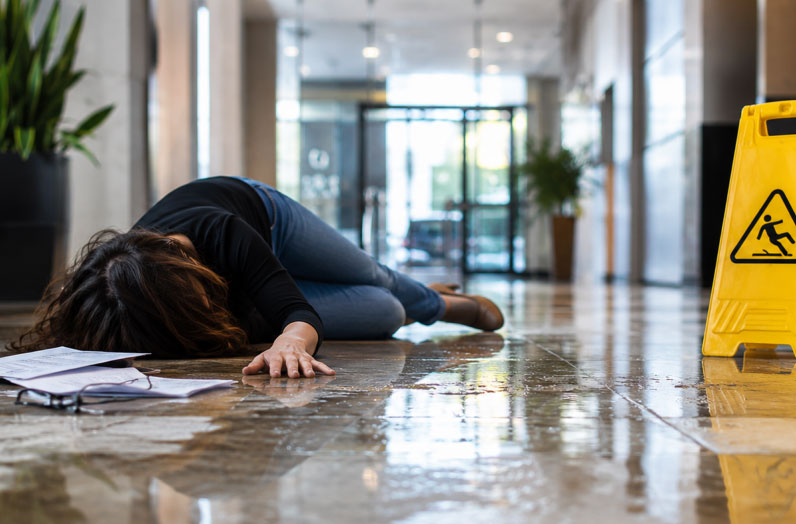
Slip and fall injuries are often treated like a punchline until they happen to you. A slick spot in a grocery store aisle, a broken step at an apartment complex, or a dark, uneven parking lot can change your health and finances fast.
What many property owners don’t want you to know is this: slip-and-fall cases in South Carolina aren’t just about whether you fell. They’re about proof. And property owners (and their insurance carriers) usually start building defenses immediately, sometimes before you even get home.
This article explains how a premises liability claim in South Carolina typically works, the most common tactics property owners use, and how to protect yourself if you were hurt.
What Property Owners Don’t Want You to Focus On
In South Carolina, businesses and property owners generally aren’t automatically responsible just because someone gets hurt on their property. The core idea is reasonable care, not perfect safety.
For many slip-and-fall cases, you’ll hear a phrase that comes up again and again: notice. In plain English, an injured person often needs to show that the owner:
- created the dangerous condition, or
- knew about it (actual notice), or
- should have known about it because it was there long enough that reasonable inspections would have found it (constructive notice).
A major South Carolina slip-and-fall decision often cited on this point is Wintersteen v. Food Lion, Inc., in which the court reversed a plaintiff’s verdict and emphasized the importance of proving that the store created the hazard or had actual/constructive notice of it.
The Basic Rule: Property owners aren’t “insurers” of your safety.
Slip-and-fall defenses usually follow a predictable script. Here’s what’s happening behind the scenes.
“We didn’t know about it.”
This is the classic. The owner argues the spill, leak, or debris appeared seconds before your fall, so they couldn’t have fixed it in time.
How you push back: evidence of poor inspection routines, lack of cleaning logs, no floor checks during high-traffic hours, or witness statements that the hazard was there earlier. In many cases, video footage is a big deal, but it can disappear quickly if no one requests it.
“You should have seen it.”
If the owner can shift blame to you, it reduces what they may owe and can even wipe out the case.
South Carolina uses a modified comparative fault system under South Carolina Code §15-38-15, where fault is allocated by percentage and a plaintiff’s recovery can be reduced accordingly.
How you push back: lighting conditions, lack of warning signs, distracting store layouts, slippery transparent liquids, or hazards placed in natural walking paths. Also, “open and obvious” isn’t always the end of the story if the property still created an unreasonable risk.
“It was a ‘self-service’ area, so spills happen.”
Some states are more willing to relax the notice requirement in busy self-service zones. South Carolina courts have been cautious about turning that idea into an automatic rule, which is one reason Wintersteen matters in grocery store and retail cases.
How you push back: even if a spill is “foreseeable,” you still focus on what reasonable safety looks like for that specific store setup: mats, drainage, staffing, inspection frequency, and whether the area had a history of the same problem.
Common Accident Locations and What Usually Matters Most
Grocery stores and big-box retail
These cases often turn on:
- surveillance video
- cleaning and inspection records
- employee statements
- whether the store created the hazard (for example, product displays, leaky coolers, or drink stations)
If you’re searching for a grocery store slip-and-fall South Carolina lawyer, the strongest claims are usually the ones where the hazard connects back to store operations or ignored maintenance.
Apartment complexes and rentals
If you fell in a common area, such as stairs, walkways, or parking lots, the condition of the property and its repair history matter a lot.
South Carolina’s landlord-tenant statute includes duties such as keeping common areas reasonably safe and making repairs necessary to keep premises fit and habitable. See South Carolina Code §27-40-440.
If you’re looking into an apartment slip-and-fall South Carolina case, photos, maintenance requests, and prior complaints can be key.
Restaurants, bars, and hotels
These often involve spills, wet entryways, bathroom hazards, and poor lighting. Owners may argue the hazard was “temporary,” but repeated issues (such as chronic leaks) can indicate constructive notice or negligent maintenance.
What To Do After a Slip and Fall Accident in SC
If you’re hurt, these steps can protect both your health and your claim:
1) Report it and ask for documentation.
Ask for an incident report and the manager’s name. If possible, note the time down to the minute.
2) Take photos and videos immediately.
Get the hazard, the surrounding area, the lighting, warning signs (or lack thereof), and your shoes. If you can, photograph what you were carrying and the path you were walking.
3) Get witness contact info.
A short statement like “the spill was there earlier” can be important later.
4) Get medical care and follow up.
Gaps in treatment are frequently used to argue you weren’t really hurt.
5) Don’t assume the video will still exist later.
Many systems overwrite quickly. A lawyer can send a preservation letter to help protect evidence.
Time limits: don’t wait too long
Most personal injury lawsuits in South Carolina are subject to a three-year statute of limitations under South Carolina Code § 15-3-530 (with exceptions that may apply in specific situations).
That may sound like plenty of time, but the practical deadline is often much sooner because evidence can vanish and witnesses move.
How Seaton, Duncan, & Holmes Law Can Help
Slip and fall claims are won and lost on the details: how the hazard formed, how long it existed, what the owner did about it, and how the injury changed your life.
If you’re dealing with a slip and fall accident in South Carolina or you’re searching for a South Carolina slip and fall lawyer, Seaton, Duncan, & Holmes Law handles personal injury cases and can help you evaluate what happened, identify the evidence that matters, make sure that evidence is properly preserved, and deal with the insurance process.
FAQ: South Carolina Slip and Fall Cases
What do I have to prove in a premises liability claim in South Carolina?
Generally, you must show the property owner was negligent and that the owner created the hazard or had actual/constructive notice of it and failed to fix it or warn about it.
Can I still recover if I was partly at fault?
Possibly. South Carolina applies comparative fault principles under S.C. Code §15-38-15, which can reduce damages based on your percentage of fault.
What if the store says the spill just happened?
That’s a common defense. Evidence such as video footage, witness statements, and inspection/cleaning logs can show that the hazard existed long enough for the store to have found it.
Do apartments and landlords have special duties?
Landlords have statutory obligations to keep common areas reasonably safe and to make necessary repairs. S.C. Code §27-40-440 is a key starting point.
Ready to talk about your slip and fall?
If you were hurt in a Charleston slip-and-fall accident, a retail fall, or an apartment common-area fall anywhere in South Carolina, use this form to contact Seaton, Duncan, & Holmes Law to discuss what happened.
A quick conversation can help you understand whether you may have a premises liability claim in South Carolina and what evidence to gather next.
Ready To Speak With An Attorney?
Let’s discuss the details of your case and see if we can help.